Public & Products Liability Insurance
Legal costs and compensation for third-party injury or property damage caused by your business activities

As a tradesperson, you work hard to build, fix and maintain things — and every day brings a mix of opportunity and risk. Tradesmen Insurance brings together the key protections needed to safeguard your business, tools, employees (if any) and legal obligations, so you can focus on the job at hand with confidence.
Tradesmen Insurance is a bundled approach to commercial cover designed for skilled trades and mobile workers. It typically combines essential protections such as:
This integrated package simplifies cover, helping ensure that common risks faced by tradespeople are acknowledged and managed appropriately.
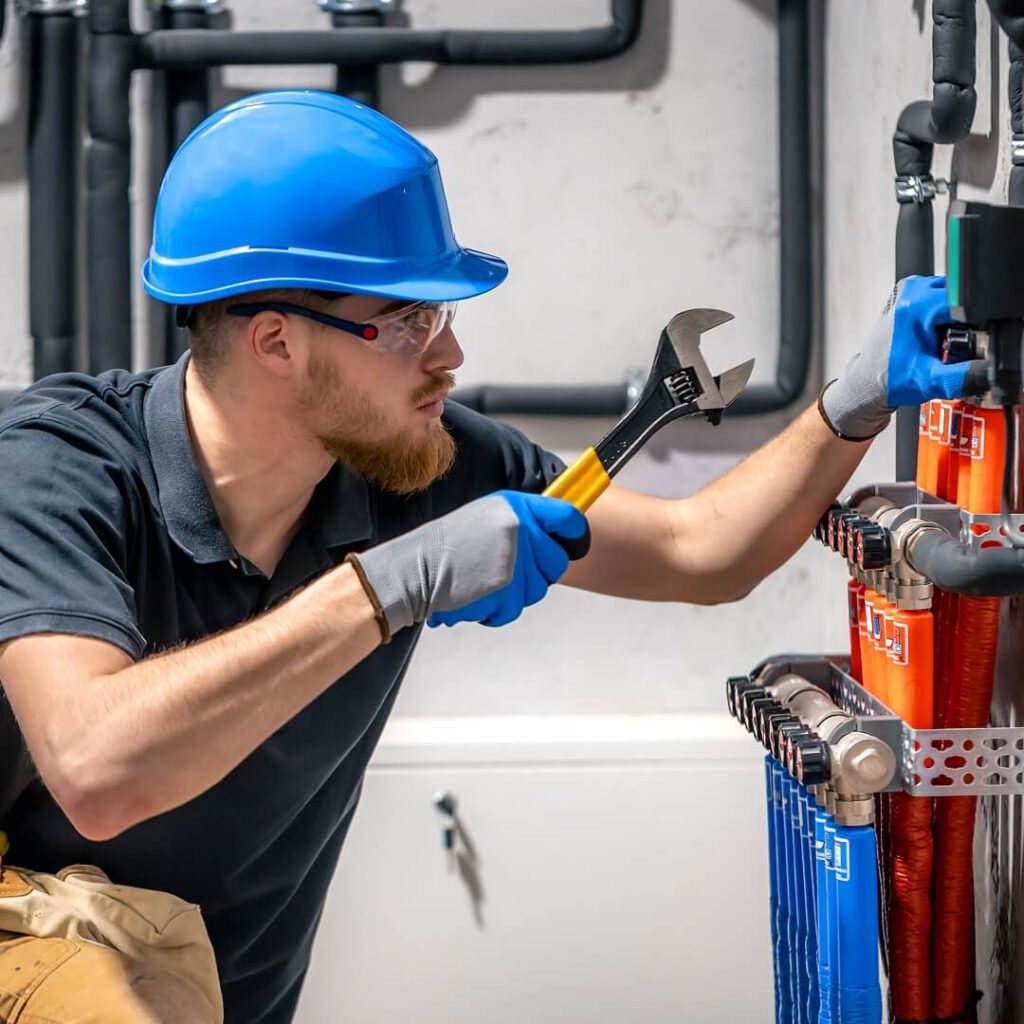
Whether you work on residential properties, commercial sites, or both, tailored cover helps protect your business against common exposures inherent in trade work.
If you are self-employed, run your own contracting business, or employ others, Tradesmen Insurance is designed for you — including:
Trade work frequently involves tools, interaction with clients, workplaces that are out in the open, and legal responsibilities to employees and third parties. Without adequate cover:
You may face significant costs from accidental property damage
Claims for bodily injury to the public or clients may be pursued
Supplier or contractual requirements may not be satisfied
Tool loss, vehicle damage, or on-site accidents could impact cash flow
Having a robust insurance solution means you can respond to unexpected events without jeopardising your business finances or reputation.
A Tradesmen Insurance programme usually includes core protection such as:
Legal costs and compensation for third-party injury or property damage caused by your business activities
Statutory cover for injury or illness to staff while at work — a legal requirement if you employ anyone
Protection for owned and portable tools — including whilst in transit between jobs (subject to policy terms)
Cover for vans and work vehicles used in the course of your business
Protection for workshops, depots, cabins and business stock or plant
Optional add-ons can be added to reflect your specific trade or risks you face.
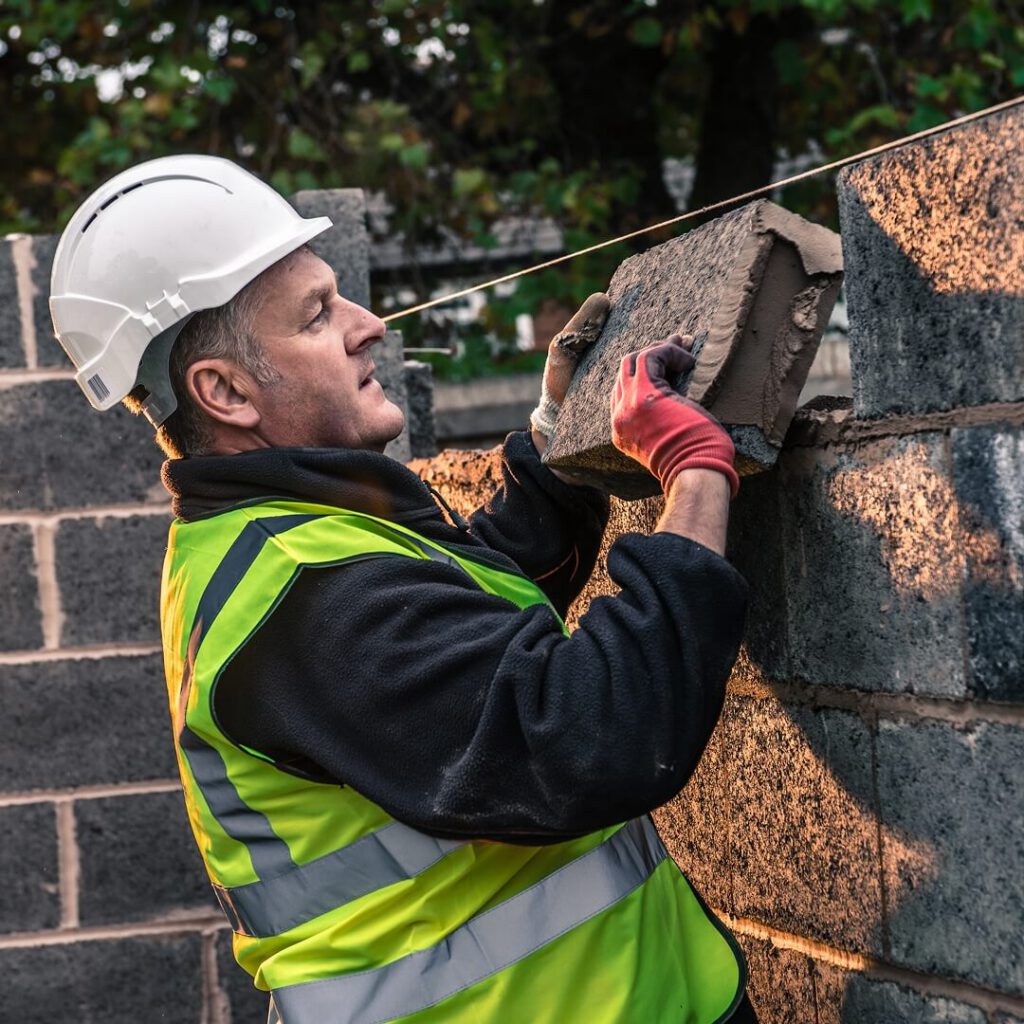
When arranging Tradesmen Insurance, insurers typically assess:
Higher-risk activities or locations can affect terms and pricing — but being transparent about your operations helps secure the most appropriate protection.
Tradesmen Insurance can be arranged as a single integrated policy or as a combination of individual covers tailored to your needs. Key benefits of this approach include:
At Commercial Insurance Solutions, we make sure that your package reflects your actual work profile rather than a generic umbrella.
We take the time to understand your trade, the work you undertake, and your risk profile. Our service includes:
Assessing the insurance needs relevant to your business
Recommending suitable limits, cover types, and optional extensions
Explaining policy terms, conditions, and exclusions in clear language
Sourcing competitive terms from reputable insurers