Buildings Insurance
- Physical damage to the structure from insured events such as fire, storm, flood, and theft
- Cover for outbuildings and fixed external features

Properties that are empty or unoccupied present a different risk profile to lived-in or regularly used premises. Unoccupied Property Insurance is designed to provide tailored protection for buildings that are temporarily or long-term vacant, helping ensure that unforeseen events do not lead to significant financial loss.
Unoccupied Property Insurance provides cover for buildings that are not being lived in, used, or sufficiently occupied for residential or commercial purposes.
Standard property insurance policies often restrict or do not provide cover where a property is unoccupied. An unoccupied property can be exposed to risks such as vandalism, escape of water, theft, storm damage, and deterioration, making cover important where regular occupancy is absent.
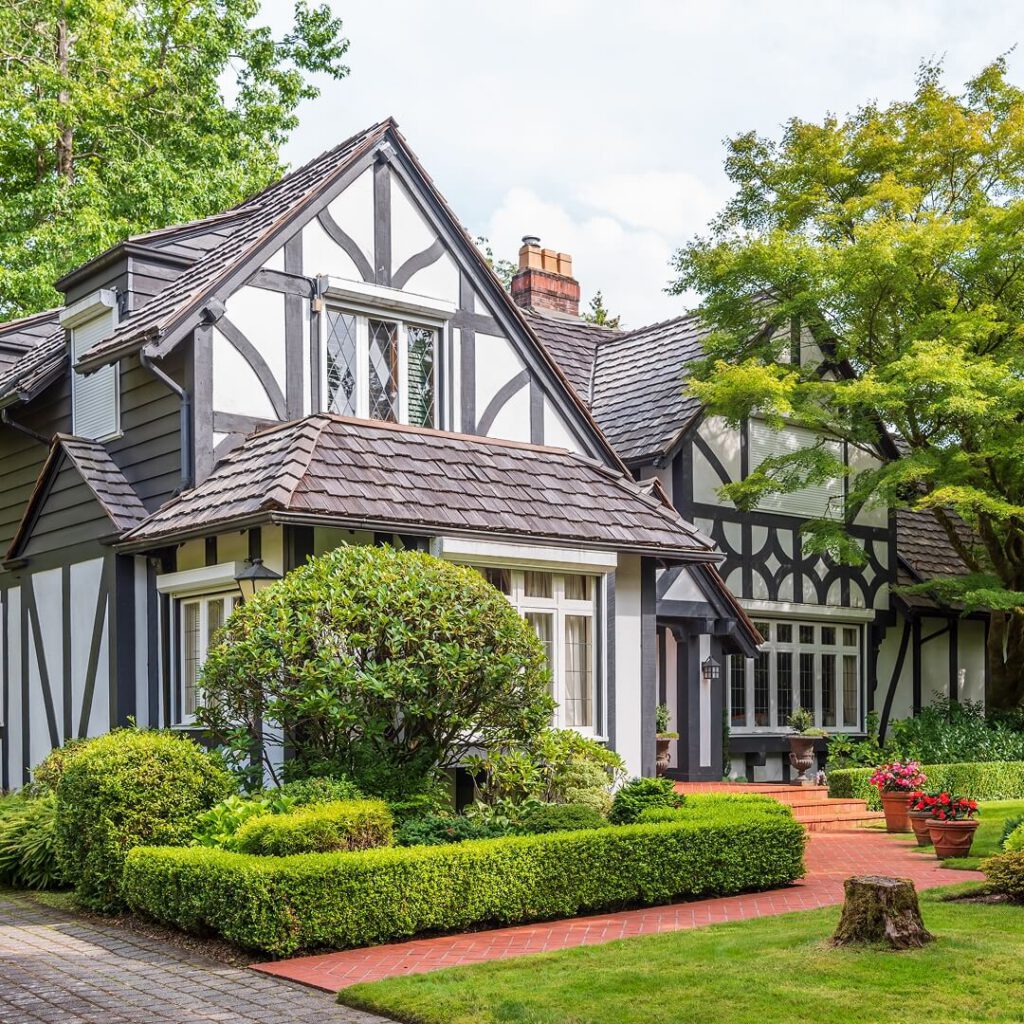
Standard property insurance typically imposes strict conditions on unoccupied buildings — for example, a common threshold is 30 to 60 consecutive days of vacancy — beyond which standard cover may be invalid. Unoccupied property cover ensures that protection continues in these circumstances.
Unoccupied properties are susceptible to risks that may be less obvious or less common in occupied premises:
Vandalism and malicious damage
Escape of water from plumbing systems that have not been regularly maintained
Theft of fixtures, fittings, or building contents
Storm, flood, or weather-related damage
Subsidence and deterioration where services are not in active use
Without appropriate cover, the cost of repairing or reinstating an unoccupied property could fall entirely on the owner, often at considerable expense.
Unoccupied Property Insurance policies are tailored to the specific risks of an empty building. Common areas of cover can include:
Failing to comply with policy conditions can result in claims being declined, so it is important to understand and meet any occupancy or maintenance requirements.
Unoccupied Property Insurance is often arranged as part of a wider commercial property or landlord insurance programme. It can coordinate with:
This helps ensure comprehensive protection across different exposures and property uses.
At Commercial Insurance Solutions, we work with property owners, landlords, and businesses to assess whether unoccupied property cover is appropriate and how best to structure it.
We can assist with:
Determining when unoccupied cover is needed
Advising on policy conditions, inspections, and maintenance requirements
Reviewing sums insured and limits against property value
Exploring optional extensions relevant to the property’s status and risk profile
If you have an unoccupied property or are planning a period of vacancy and would like a tailored quote or commercial advice, contact Commercial Insurance Solutions today to discuss your requirements.